
front lit bathroom mirror
For tradespeople and technicians, precision is key. A variety of specialized gauges, such as the thread measuring gauge , differential gauge , and metal marking gauge , ensure that every measurement and marking is exact. This guide will highlight the features and benefits of these essential tools, offering insights into how they enhance accuracy in various applications. Understanding the Importance of the Thread Measuring Gauge A thread measuring gauge is indispensable when checking thread pitches and angles in bolts, nuts, and screws. This gauge is designed to verify thread standards quickly and accurately, whether in a factory setting or on-site work. By using a thread measuring gauge, technicians can avoid mismatches and ensure a secure fit, which is crucial for structural integrity in construction, automotive, and mechanical applications. Applications and Benefits of the Differential Gauge In systems that require pressure measurement, the differential gauge is an essential tool. Unlike standard pressure gauges, differential gauges measure the difference in pressure between two points, making it ideal for monitoring fluid flow in pipes, filters, or HVAC systems. Using a differential gauge improves system performance, helping detect blockages or pressure drops that may indicate maintenance needs, ensuring operational efficiency and safety. Precision Marking with the Metal Marking Gauge For anyone working with metal, a metal marking gauge is a tool that enhances accuracy in layout and cutting tasks. This gauge allows for precise lines and markings on metal surfaces, ensuring that each measurement is accurate before cutting, welding, or drilling. The metal marking gauge is commonly used in metalworking, fabrication, and construction to create exact markings, ultimately saving time and reducing errors. Choosing the Right Gauge for Your Needs When selecting a gauge, consider the specific requirements of your work. For threaded components, a thread measuring gauge is ideal, while fluid and pressure systems will benefit from a differential gauge . Meanwhile, a metal marking gauge is best for precise markings on metal surfaces. Choosing the correct gauge can streamline your workflow, improve accuracy, and enhance overall efficiency in your projects. Maintenance Tips for Longevity and Accuracy To ensure these tools perform well over time, proper maintenance is essential. For a thread measuring gauge , clean threads after each use to prevent buildup that could impact readings. For a differential gauge , regularly inspect connections and recalibrate as needed. Keep your metal marking gauge sharp and clean for consistent markings. Regular upkeep of each gauge not only extends its lifespan but also guarantees reliable performance for all future tasks. In conclusion, tools like the thread measuring gauge , differential gauge , and metal marking gauge are critical for achieving precision and efficiency in a range of industrial and craft applications. By selecting the right tool for each task and maintaining it well, you’ll ensure accurate results every time.
about
front lit bathroom mirror
Understanding Thread Plug Gauge Pricing An Essential Guide Thread plug gauges are critical tools used in the manufacturing and engineering sectors to ensure the quality and accuracy of threaded holes. These gauges are designed to check the dimensional tolerances of internal threads, ensuring they meet specified standards. As with any industrial tool, understanding the pricing of thread plug gauges is essential for manufacturers aiming to maintain precision while staying within budget. What are Thread Plug Gauges? Before delving into the pricing details, let’s first clarify what thread plug gauges are. These gauges are cylindrical tools that fit precisely into the internal threads of a component to verify whether they conform to the required specifications. They come in two primary types go gauges, which confirm that the thread is acceptable, and no-go gauges, which identify whether a thread exceeds tolerances. Factors Influencing Pricing The price of thread plug gauges can vary significantly based on several factors 1. Material and Construction High-quality materials such as tool steel or carbide significantly influence the price. Gauges made from sturdier materials tend to be more expensive but also offer better durability and longevity. 2. Calibration and Certification Gauges that come calibrated and certified to meet specific standards (such as ISO or ANSI) may carry a premium. Certification provides assurance that the gauge has been tested and meets quality controls. 3. Size and Thread Specification The size of the gauge and the specific thread pitch can greatly affect pricing. Standard sizes typically cost less, while specialized sizes might demand a higher price point due to manufacturing complexities. thread plug gauge price list 4. Manufacturer Brand Renowned manufacturers with a reputation for precision and quality often price their gauges at a premium compared to lesser-known brands. Investing in reputable brands can result in better accuracy and product durability. 5. Volume of Purchase Bulk orders can also significantly reduce the cost per unit. Many suppliers provide discounts for larger orders, making it more economical for companies that require multiple gauges. Average Price Range To give you a rough idea, thread plug gauges may range in price from as low as $10 for standard gauges from less well-known manufacturers to several hundred dollars for specialized, high-precision, branded gauges. For example, a common go/no-go set might be priced between $50 to $150, while custom or high-precision gauges could range from $200 to over $500. Cost-Benefit Analysis When considering the purchase of thread plug gauges, it is crucial to perform a cost-benefit analysis. While it may be tempting to opt for the cheapest option, investing in higher-quality gauges can lead to better performance, reduced errors in manufacturing, and enhanced product quality. The right gauge can save time and costs associated with defective products. Conclusion In summary, understanding the cost of thread plug gauges involves an analysis of the factors influencing pricing, including materials, calibration, size, brand, and order volume. By carefully weighing these elements, manufacturers can make informed decisions that align with their quality standards and budget limitations. Ultimately, investing in the right thread plug gauges is not just a matter of expense; it is an investment in quality assurance and operational efficiency, which ultimately translates into better products and satisfied customers.
-

High quality industrial productsagement

High quality industrial products
View Details -

Meet the diverse needs of customers

Meet the diverse needs of customers
View Details -

Strict quality control

Strict quality control
View Details -

Top raw materials

Top raw materials
View Details -

Trusted supplier

Trusted supplier
View Details
Our application

news and information
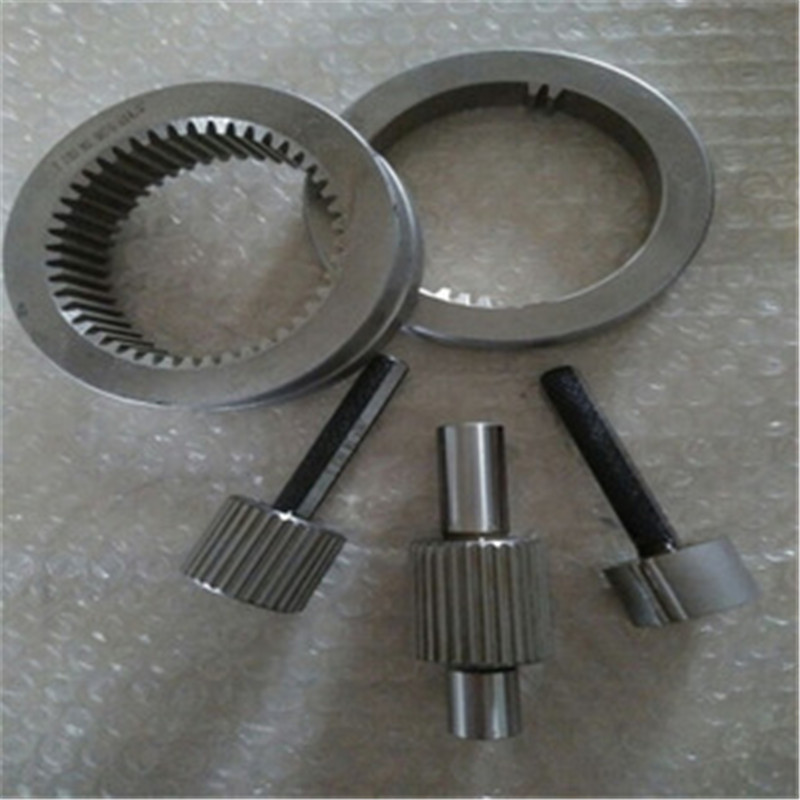
valve manufacturer
Navigating the landscape of valve manufacturers can be a challenging endeavor, particularly when sea
Y Type Strainers_ A Comprehensive Guide
Y type strainers are crucial components in various piping systems, known for their ability to filter
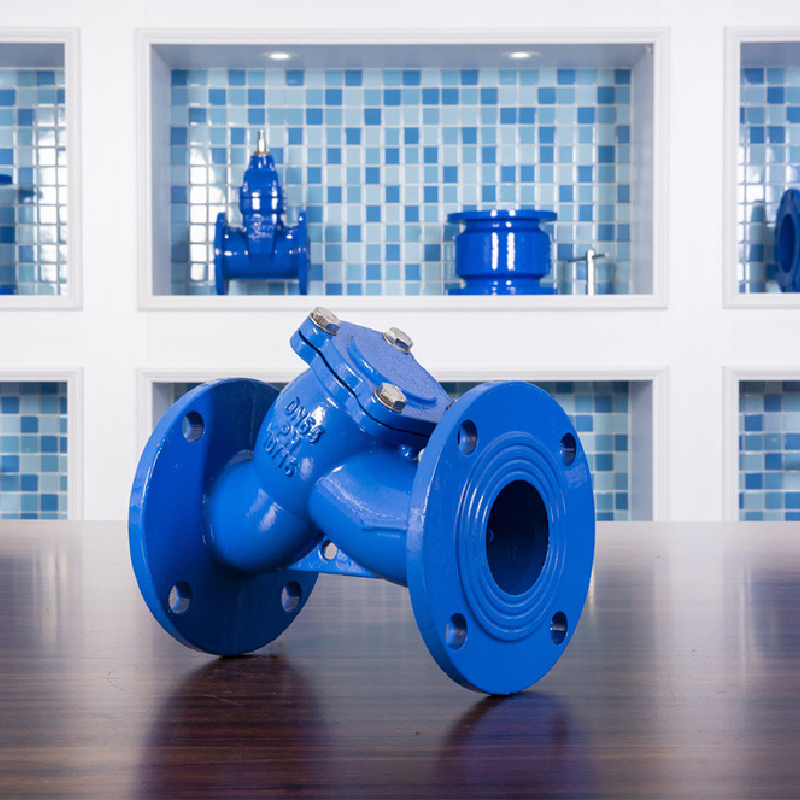
Using Ring Gauges for Precision Measurement and Quality Control in Industrial Applications
The Importance of Ring Gauges in Quality Control In the realm of manufacturing and engineering, prec
 English